
Art, Fashion and a Bit of Philosophy
What gives something deeper meaning?

Sometimes it is the image printed on it. Sometimes it is the story behind it.
And sometimes it is simply the way it makes you feel for a moment.
At aufleben, art and fashion often begin in the same place: with nature, movement, stillness, and the idea of renewal.
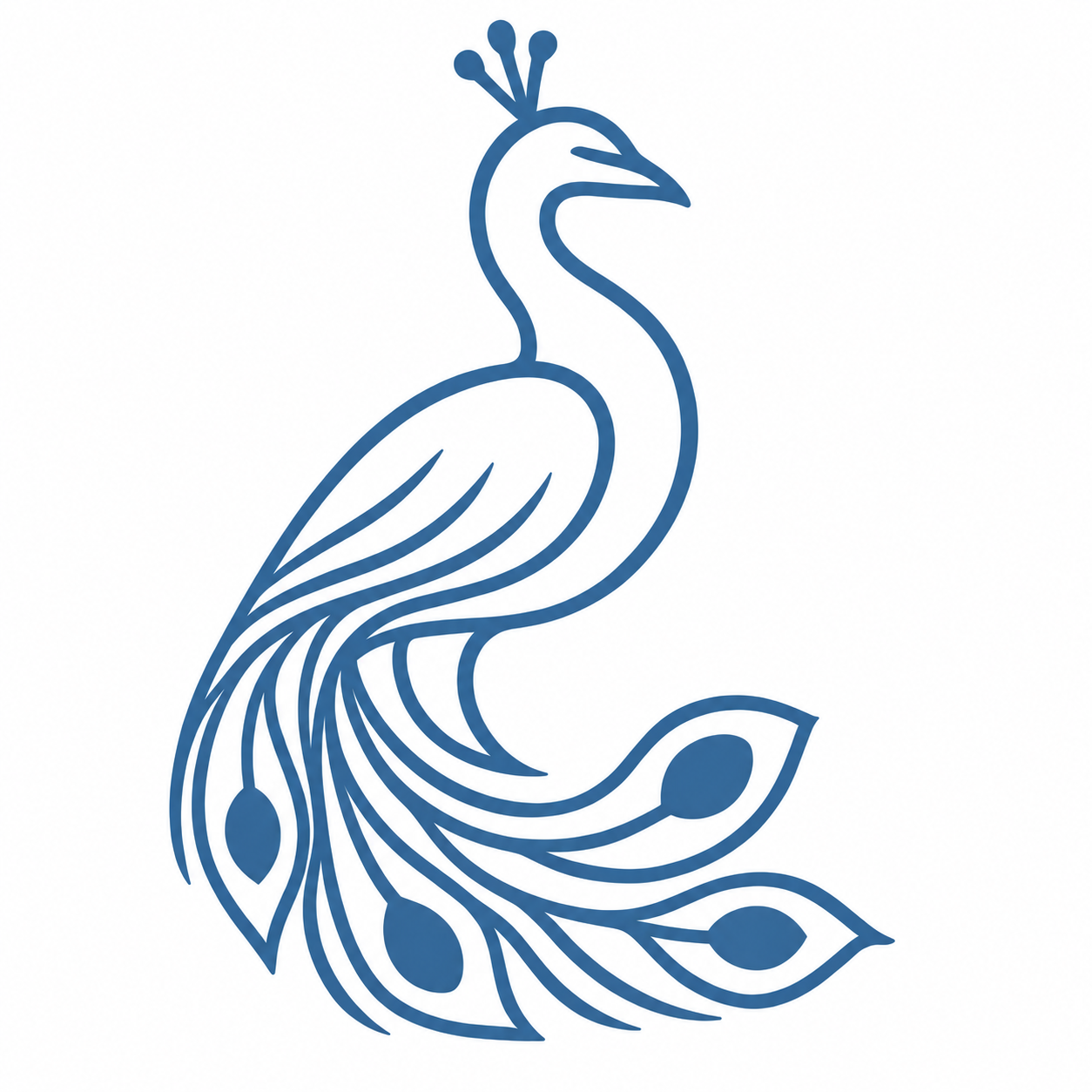
A peacock growing new feathers.
A plumeria flower opening to the light.
A quiet mountain landscape.
The movement of water.
A small moment that makes you look twice — and feel something different.
These ideas may become an illustration, a T-shirt, a postcard, or something we haven't created yet.
The format can change. The feeling behind it stays.
Art has always been more than decoration.
For centuries, people have used images, objects, clothing, and symbols to express how they see the world — and how they see themselves within it.
The ancient Greeks were already asking questions that still feel surprisingly modern today.
What gives art meaning?
What makes a good life?
How do we make sense of the world around us?
Socrates placed questioning at the centre of philosophical life. Aristotle explored how art represents human experience and how stories can move us emotionally. Centuries later, the Stoic philosopher Marcus Aurelius returned again and again to nature, change, and the importance of paying attention to the present moment.
These ideas may sound distant from a T-shirt or a postcard.
But perhaps they are not.
A piece of art can make us stop for a second.
A landscape can change our mood.
An image can remind us of something we had forgotten.
And something we wear can carry a small part of that feeling with us — shaping how we feel and, sometimes, how we affect the people around us.
At aufleben, we want to express a feeling of renewal and mindfulness — a sense of being centred, balanced, connected to nature, and present in the moment.
Not as something perfect or permanent, but as a new moment — renewed.
Fashion is also a form of expression.
What we choose to wear can say something about us before we say a word. It can reflect a mood, a memory, a place we feel connected to, or simply the way we want to feel that day.
For aufleben, a T-shirt is not only a surface for an illustration. It is a way to turn an idea into something that becomes part of everyday life.
Art does not have to stay inside a museum or hang on a wall.
It can move with us.
It can appear on clothing, on a postcard, in an object we keep on a desk, in something small that becomes part of a daily routine, or as a gift for someone special — a friend, a family member, or a colleague.
In that sense, fashion and design can bring art closer to everyday life — not as something distant, but as something we can wear, touch, carry, share, and give.
Nature has always been part of this story.
Long before photography or modern design, people looked to the natural world for forms, colours, patterns, symbols, and meaning. Flowers, animals, mountains, water, trees, clouds, and the changing seasons have appeared again and again in art across cultures and centuries.
Sometimes nature was represented as faithfully as possible. Sometimes it became symbolic. A flower could represent change. An animal could represent strength, beauty, freedom, or renewal. A landscape could become a way of expressing a feeling rather than simply describing a place.
And perhaps this is where the circle continues:

And through that object, image, or piece of clothing, we may find ourselves looking back at nature again.
At aufleben, we are interested in that circle.
A peacock becomes an image of renewal.
A plumeria becomes a small reminder of growth and light. Water becomes movement.
A mountain becomes stillness.
Clouds become a reminder that everything is always moving and changing.
We take something from nature, interpret it through art, and bring it into everyday life.
And maybe, for a moment, it brings us back to where it began.
“Observe constantly that all things take place by change.”
— Marcus Aurelius, Meditations
Perhaps renewal lives somewhere between stillness and movement — in accepting that everything changes, while learning to be present in the moment we are in.